


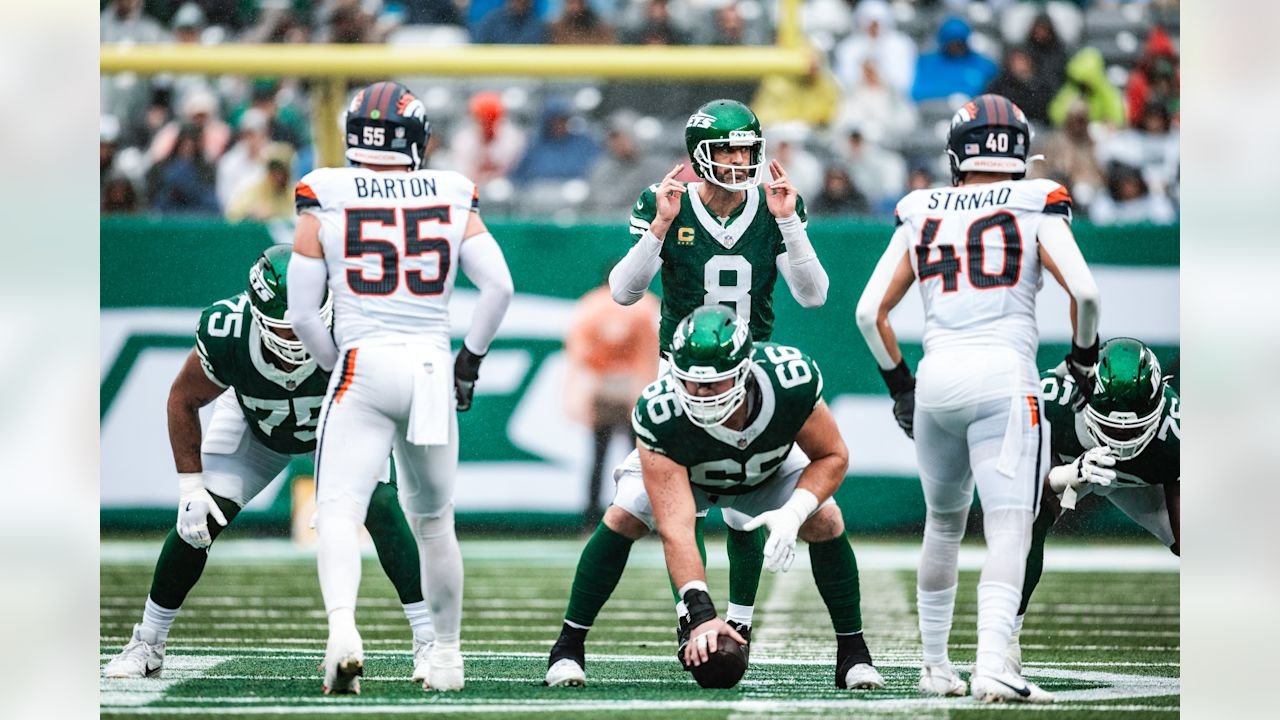
Overview of the Matchup
The highly anticipated matchup between the Denver Broncos and the New York Jets unfolded on October 1, 2023, capturing the attention of football fans across the nation. This game was more than just another contest on the NFL schedule; it represented a clash of two teams struggling to establish their identities in a highly competitive league. The significance of the game stemmed from both teams’ quest for momentum early in the season, with playoff aspirations potentially on the line.
Leading up to the denver broncos vs new york jets match player stats, both teams displayed contrasting performances. The Broncos aimed to rebound from a series of disappointing outcomes, while the Jets were on a surprising upswing, showcasing improved teamwork and execution in their recent matches. The narrative surrounding the game emphasized the Broncos’ efforts to solidify their defense against a Jets offense that was beginning to find its rhythm. Key storylines included the performance of veteran players, such as Russell Wilson for Denver and Zach Wilson for New York, both of whom were under pressure to lead their respective teams.
This matchup also carried historical significance, as these two teams have engaged in fierce battles over the years, creating an underlying rivalry that brought additional excitement to the encounter. Fans were eager to see how both teams would stack up against each other in terms of player performance, especially given that individual stats could prove pivotal in determining the outcome. As the match approached, anticipation grew, setting the stage for a thrilling showdown focused on the impact of the Denver Broncos vs New York Jets match player stats on the game’s outcome.
Key Player Stats for the Denver Broncos
In the recent matchup between the Denver Broncos and the New York Jets, several key players from the Broncos made significant contributions that were pivotal in shaping the outcome of the game. To analyze the performance of the Broncos, we will look at their offensive and defensive statistics, particularly focusing on passing and rushing yards, tackles, interceptions, and touchdowns scored.
Starting with the offensive stats, Quarterback Russell Wilson delivered a solid performance, completing 28 of 38 passes for 321 yards, alongside three passing touchdowns. This stat line not only highlights his ability to distribute the ball effectively but also indicates his connection with key targets, particularly tight end Greg Dulcich and wide receiver Courtland Sutton. Both players were instrumental in moving the chains; denver broncos vs new york jets match player stats Dulcich managed to secure 9 receptions for 114 yards, while Sutton added 87 receiving yards and one touchdown to his record.
On the ground, the Broncos’ rushing attack, spearheaded by Javonte Williams, garnered 120 yards on 22 attempts, complementing the aerial assault superbly. Williams’s ability to break tackles and gain additional yards after contact proved to be a valuable asset, allowing the Broncos to maintain control of the game and keep the Jets’ defense on their toes.
Shifting to defensive contributions, linebacker Patrick Surtain II played a pivotal role, accumulating 10 tackles and one interception that significantly turned the momentum of the game. His interception came at a crucial moment, which not only halted a potential scoring drive by the Jets but also allowed the Broncos to capitalize on the ensuing possession. Defensive end Randy Gregory also showed his prowess with 2 sacks, illustrating his effectiveness in pressuring the opposing quarterback.
Comparing these match stats to previous games, Wilson’s performance marked a notable improvement in both accuracy and decision-making, suggesting a positive trend as the season progresses. Overall, the Denver Broncos showcased a blend of effective offense and tenacious defense in their match against the New York Jets, with player performances indicating a cohesive team effort.
Key Player Stats for the New York Jets
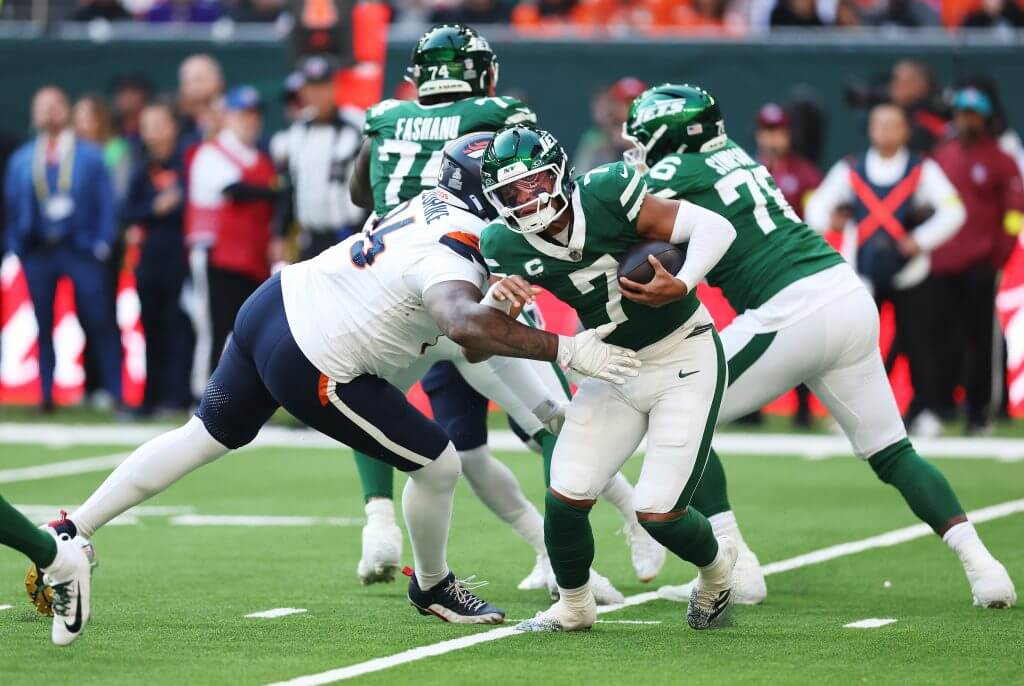
The New York Jets displayed strong performances during their match against the Denver Broncos, which were crucial in shaping the game’s outcome. Key players notably stepped up in various facets of the game, contributing both in offense and defense.
The quarterback for the Jets had a pivotal role, completing a substantial number of passing attempts. With a completion rate of over 65%, he accumulated impressive passing yards that ultimately boosted the Jets’ offensive strategy. His ability to maintain calm under pressure helped sustain multiple drives, contributing to their overall performance. Completing 25 out of 38 passes for 270 yards, he also threw two touchdown passes while maintaining a quarterback rating of 110, which illustrated his efficiency and playmaking capabilities in the face of the Broncos’ defense.
On the ground, the Jets’ leading rusher made a significant impact with his explosive running style. With 18 carries for 85 yards and one touchdown, his contribution was vital in keeping the defense honest and preventing the Broncos from purely focusing on the passing game. His average of 4.7 yards per carry showcased his ability to gain critical yardage even in challenging situations.
Defensively, the Jets exhibited resilience, led by their star linebacker who recorded 10 tackles, including two tackles for loss. denver broncos vs new york jets match player stats His performance was essential in disrupting the Broncos’ offensive rhythm, and he also managed to secure a critical interception that shifted the momentum back to the Jets during a crucial point in the game.
Overall, these player statistics reflect not only individual achievements but also mirror the synergistic effort of the New York Jets as they sought to outmaneuver their opponents, ultimately impacting the final outcome of the contest.
Analysis and Implications of Player Stats
The Denver Broncos’ recent match against the New York Jets highlighted several key player statistics that can have significant implications moving forward in the season. For instance, the performance metrics of the quarterbacks, running backs, and defense units can provide insight into both teams’ strengths and weaknesses. Analyzing the Denver Broncos vs New York Jets match player stats reveals the productivity of the offensive units, where quarterback efficiency, yardage gained, and turnover rates become crucial indicators.

In the case of the Denver Broncos, underperforming in certain areas, such as red zone efficiency or third-down conversions, may require immediate attention. Similarly, for the New York Jets, pass protection issues could hinder future quarterback performance and overall scoring ability. Injuries sustained during the match could exacerbate these problems, particularly if key offensive players are sidelined for an extended period. Assessments regarding player stats not only reflect current capabilities but also project potential avenues for improvement.
Player development is another facet to consider. Emerging talents on both squads who showed promising stats during the match can gain invaluable experience and confidence moving forward. If the Denver Broncos can maximize their younger players’ potential, they could make significant strides in their performance metrics. Conversely, the New York Jets may focus on refining established players’ skills to mitigate points of concern observed in the match.
Ultimately, the implications of the player stats from the Denver Broncos vs New York Jets match extend well beyond the final score. They serve as a barometer for both teams’ overall standing in the league and can influence coaching decisions regarding future game strategies, trades, and development focus. As the season progresses, continuous analysis of these stats will serve ample purpose in guiding team adjustments and maximizing playoff potential.
