


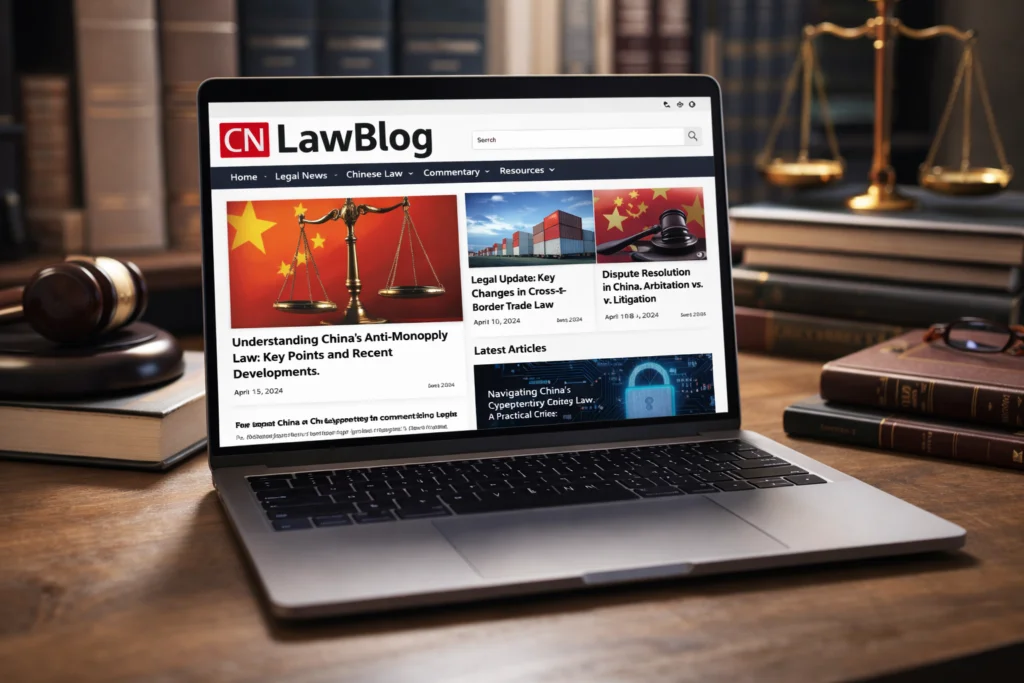
Understanding the CNNLawBlog Audience
The audience of the CNNLawBlog is diverse, encompassing legal professionals, law students, academics, and members of the general public interested in legal matters. Each of these groups has distinct demographics, interests, and informational needs, necessitating a tailored approach to content creation.
Legal professionals, including lawyers and judges, often seek updates on current legal developments, case law analysis, and commentary on legislative changes. They appreciate well-researched articles that provide insights and practical implications of legal trends, which may affect their practice or the judiciary system. Providing clarity and relevance in discussions about complex legal concepts is essential to engage this audience effectively.
Law students represent another crucial segment of the CNNLawBlog readership. They are typically looking for straightforward explanations of legal principles, case summaries, and guidance on how to navigate their educational journey and future careers in law. Insightful articles that combine theoretical understanding with real-world applications can significantly enhance their learning experience.
Furthermore, the general public often turns to the CNNLawBlog for the latest information on legal issues that affect their lives. This audience seeks content that is accessible, informative, and addresses everyday legal concerns, such as consumer rights, criminal law implications, or family law matters. Articles that demystify legal jargon and provide practical takeaways will resonate well with them.
Understanding the needs and interests of these various audience segments is essential in crafting content that not only attracts readers but also engages them effectively. Through thorough research and a considerate writing approach, the CNNLawBlog can cater to its audience’s preferences, ultimately enhancing the overall quality and impact of its legal articles.
Key Elements of an Engaging Article for CNNLawBlog
Creating engaging content for the CNNLawBlog necessitates a comprehensive understanding of several key elements that contribute to the overall effectiveness of an article. First and foremost, crafting a compelling headline is critical. This can capture the attention of potential readers and provide them with a concise understanding of the article’s focus.
An informative introduction plays an essential role in establishing the context of the content. It should effectively outline the article’s key arguments and encapsulate the main points that will be discussed, ensuring readers are adequately prepared for the subsequent sections. Clear organization of content is also vital; utilizing headings to break down the article into specific, digestible segments enhances clarity and facilitates easy navigation.
Furthermore, authoritative sources are indispensable in reinforcing the credibility of the content. Writers should strive to incorporate case studies, relevant examples, and references to established legal principles that lend weight to their arguments and provide readers with a deeper understanding of the topic. Such inclusion not only supports the legitimacy of the claims made but also enriches the learning experience for readers.
Visual elements, such as images, charts, and infographics, can significantly elevate reader engagement. These components help illustrate complex legal concepts, thereby making the content more accessible and appealing. They also serve to break up the text, creating a visually stimulating layout that encourages readers to continue exploring the article. In conclusion, by focusing on these key elements—headlines, introductions, clarity of structure, authoritative support, and visual enhancements—one can craft compelling articles for the CNNLawBlog that resonate with its targeted audience.
Techniques for Writing an Engaging and Informative Article
When creating content for the CNNLawBlog, it is vital to employ writing techniques that engage readers and convey information effectively. One of the primary strategies is the use of active voice, which not only makes the text more dynamic but also encourages reader interaction. Instead of stating, “The law was changed by the legislature,” opt for, “The legislature changed the law.” This shift not only clarifies responsibility but also enhances readability.
Another effective technique involves addressing the reader directly. Utilizing second-person pronouns such as “you” can create a more personal connection, drawing readers into the narrative. For instance, rather than saying, “Candidates must be aware of regulations,” you might say, “As a candidate, you should be aware of the regulations that affect your campaign.” This approach makes the content relatable, increasing the likelihood of sustained reader interest.
To improve readability and emphasize key points, it is beneficial to break up large chunks of text. Employing shorter paragraphs and incorporating white space throughout the article allows readers to process the information without feeling overwhelmed. Additionally, using lists or bullet points can effectively highlight crucial facts, making it easier for readers to scan the content for pertinent details.
Integrating quotes or expert opinions is another way to enhance the authority of your writing. Citing reputable sources not only adds credibility but also provides readers with diverse perspectives on complex legal issues. This aligns well with the CNNLawBlog’s aim of delivering valuable, well-rounded insights.
Lastly, maintaining a conversational tone while ensuring legal accuracy is essential. By avoiding overly complex jargon and engaging language, you can cater to both legal professionals and the general public, satisfying a wide audience. This balance is crucial to creating effective content that resonates with readers.
Promoting Your CNNLawBlog Article Effectively
Effective promotion of articles published on the CNNLawBlog is vital for reaching a broader audience and increasing engagement. One of the most powerful strategies involves leveraging social media platforms. By sharing content on social media channels such as Twitter, LinkedIn, and Facebook, writers can tap into vast networks of potential readers. Tailoring the message to fit the preferences of each platform can enhance visibility and attract new readers. For instance, using relevant hashtags and engaging with legal communities online can significantly increase the chances of the article being shared.
In addition to social media, actively engaging with various online communities where law professionals and enthusiasts gather, such as forums or law-related websites, can be beneficial. Participating in discussions or offering insights on trending legal topics can establish credibility and drive traffic back to the CNNLawBlog. Providing thoughtful commentary can also encourage community members to share your articles, further amplifying reach.
Moreover, utilizing email newsletters is an henti3z effective way to promote blog content. By regularly updating subscribers with new articles and insights from the CNNLawBlog, writers can maintain a steady readership. Including enticing snippets of the articles can pique interest and encourage clicks, directing traffic to the full posts. Combining this with a strong call to action can enhance engagement levels.
To further improve the visibility of blog posts, employing SEO techniques is essential. Optimizing articles with relevant keywords, including internal and external linking, and ensuring mobile-friendliness are necessary steps for maximizing search engine rankings. Collaboration with other legal bloggers or influencers can also provide added exposure, as partnerships can lead to shared audiences and a stronger presence. While promoting your articles effectively is important, a strategic approach will ensure sustained interest and readership for the CNNLawBlog.
