


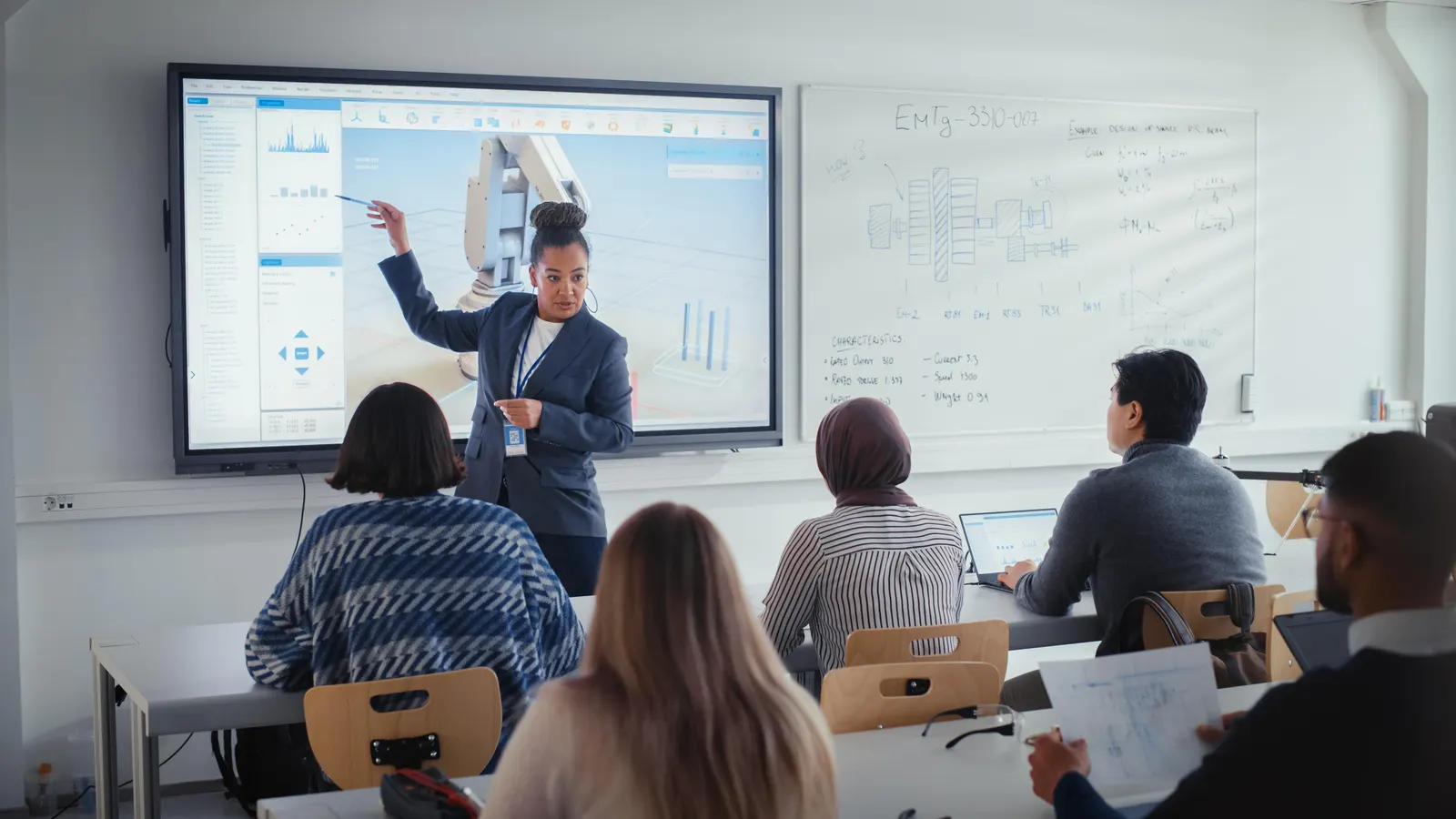
Introduction to Classroom 30x
The Classroom 30x initiative stands as a pivotal development in contemporary education, embodying a transformative approach aimed at reinventing learning environments. At its core, the term ‘30x’ signifies the aspiration to enhance educational experiences by a factor of thirty, thereby setting a high standard for engagement and efficacy in classrooms worldwide. This initiative recognizes the pressing need for educational reform, as traditional methodologies often fall short in meeting the dynamic demands of today’s learners.
Emerging from a confluence of technological advancements and pedagogical innovations, Classroom 30x seeks to integrate interactive tools and modern teaching strategies into everyday learning. This approach emphasizes the necessity of making education not only informative but also engaging and relevant, helping to capture the interest of students in diverse settings. By utilizing contemporary technologies such as multimedia content, collaborative platforms, and gamification, educators can create a stimulating atmosphere that fosters deeper understanding and retention of knowledge.
Furthermore, Classroom 30x promotes inclusivity, ensuring that varied learning styles and capabilities are accommodated. This notion aligns with the broader goals of personalized learning, allowing educators to tailor their teaching methods to suit individual student needs. As such, this initiative is becoming increasingly relevant, particularly in an era characterized by rapid technological shifts and evolving societal expectations.
In summary, the Classroom 30x initiative represents an essential stride toward revitalizing educational practices. It prioritizes innovation, engagement, and personalization to create effective learning environments that prepare students for the complexities of the modern world. By embracing this transformative approach, educational institutions can better equip learners with the skills and knowledge necessary for success.
Key Features of Classroom 30x
The Classroom 30x framework incorporates several key features that significantly enhance the learning experience for students. One of the critical components is personalized learning pathways. This approach allows educators to tailor instruction to meet the varying needs and abilities of each student. For instance, through assessments, teachers can determine individual learning styles and pace, ensuring that every student advances in a manner that is most effective for them. Personalized pathways foster engagement and motivation as learners take ownership of their educational journey.
Another significant feature of Classroom 30x is the integration of technology. Modern classrooms increasingly employ digital tools and resources to facilitate learning. For example, interactive learning platforms and educational software provide personalized feedback and allow for independent exploration. This incorporation equips students with essential 21st-century skills, including digital literacy and critical thinking, preparing them for an increasingly technology-driven world. Furthermore, technology enhances communication and collaboration among students, enabling them to work together on projects regardless of physical location.
Collaborative projects are central to the Classroom 30x approach. By engaging in group activities, students develop teamwork and social skills essential for their future careers. For instance, they might work together on a science experiment or create a multimedia presentation, which promotes both shared learning experiences and accountability. This collaboration not only strengthens relationships among peers but also deepens understanding as they learn from one another’s perspectives.

Finally, the emphasis on real-world connections serves as a feature that makes learning more meaningful. Educators are encouraged to incorporate local businesses, community organizations, and professional experts into the curriculum. For example, students might conduct field studies, internships, or service projects that relate their classroom learning to the world outside. This relevance engages students on a deeper level and demonstrates the practical application of knowledge, reinforcing their commitment to learning.
The implementation of the Classroom 30x framework in educational settings can be a transformative process; however, it is often accompanied by a range of challenges. One of the most prominent obstacles is resistance to change among educators and administrative staff. This resistance typically stems from fear of the unknown or concerns about additional workload. To mitigate these issues, it is crucial to provide thorough professional development that emphasizes the benefits of the Classroom 30x model. Educators should be equipped with strategies to integrate new approaches into their existing curricula smoothly.
Resource limitations can also pose a significant barrier to the successful adoption of Classroom 30x principles. Many schools may lack the necessary technological infrastructure or adequate funding to implement the process fully. Classroom 30x To address these limitations, institutions can explore partnerships with local businesses or grant programs aimed at enhancing educational resources. Collaborating with stakeholders in the community can also foster innovative solutions that facilitate the transition towards a more effective classroom environment.
Another essential consideration is the need for targeted training that develops specific competencies aligned with the Classroom 30x framework. Educators may require additional training in using technology effectively or in applying specific pedagogical strategies that Classroom 30x advocates. Institutions should prioritize ongoing professional development sessions that focus on these areas while incorporating feedback from educators who have successfully navigated the transition. Peer mentoring programs can also be invaluable—allowing experienced teachers who have embraced Classroom 30x to guide their colleagues, thereby fostering a culture of collaboration and support.
In conclusion, although challenges exist in implementing Classroom 30x, effective strategies such as comprehensive training, resource optimization, and support networks can facilitate a smoother transition, ultimately benefiting both educators and students alike.
The Future of Education with Classroom 30x
The Classroom 30x initiative represents a paradigm shift in the educational landscape, introducing innovative methodologies and tools designed to enhance teaching and learning experiences. As education evolves, technological advancements are increasingly woven into the fabric of classroom settings, paving the way for more interactive and personalized learning pathways. This shift not only engages students but also allows them to take ownership of their learning process.

One of the most significant trends facilitated by Classroom 30x is the integration of digital resources into traditional curricula. This fusion supports blended learning environments where students can access a wealth of information beyond textbooks. Through platforms that encourage collaboration and communication, students are better prepared to face 21st-century challenges. Furthermore, these technologies enable educators to tailor their teaching strategies to meet diverse learning preferences and needs.
As the role of educators continues to evolve, teachers are becoming more than just information providers; they are now facilitators of knowledge, guiding students through complex problem-solving and critical thinking exercises. This transformation requires a shift in pedagogical approaches, and Classroom 30x fosters professional development opportunities for educators to adapt to these new roles effectively. Training programs and resources are essential for teachers to become adept at utilizing technology to enhance educational outcomes.
Moreover, Classroom 30x aligns with global educational goals by promoting inclusivity and accessibility. By leveraging technology, educators can address disparities in education and cater to students’ varying needs. This commitment to equity ensures that all students have the tools to thrive in a dynamic world. Ultimately, the Classroom 30x initiative not only prepares students for immediate academic success but also equips them with skills necessary for lifelong learning in an ever-evolving society.
