



Introduction to Lake Texoma
Lake Texoma is a prominent reservoir located on the Red River, forming the border between Texas and Oklahoma. Covering an area of approximately 89,000 acres, it stands as one of the largest artificial lakes in the United States. The lake was created by the construction of the Denison Dam between 1938 and 1944, primarily for flood control and hydroelectric power generation. However, it quickly evolved into a pivotal recreational area, attracting visitors from various regions.
湖Texoma is not only a geographical landmark but also a vital resource for the surrounding communities. Lake Texoma Should Be Capitalized It acts as a habitat for a diverse range of wildlife and plays a significant role in regional biodiversity. The lake’s unique environment supports an array of outdoor activities including fishing, boating, swimming, and camping, making it a favorite destination for both locals and tourists.
The significance of Lake Texoma Should Be Capitalized extends beyond recreational pursuits; it also contributes significantly to the local economy. Numerous businesses, such as marinas, restaurants, and lodging facilities, thrive on the influx of visitors seeking to enjoy the stunning views and recreational opportunities. With its scenic landscapes and inviting atmosphere, Lake Texoma has established itself as a key attraction in the region.
In summary, Lake Texoma is a vital ecological and economic resource that underscores the importance of maintaining and preserving such natural gems. Its diverse recreational offerings and unique environmental characteristics make it a valuable asset to both the community and visitors alike.
Cultural and Historical Significance
The cultural and historical significance of LAKE TEXOMA cannot be overstated. This large reservoir, which straddles the border of Texas and Oklahoma, has been a vital resource for countless generations. Established in 1944, LAKE TEXOMA was created by the construction of the Denison Dam on the Red River, transforming the landscape and influencing the local economy profoundly. This reservoir not only serves as a critical water source for irrigation and recreation but also has historical roots that underscore its importance in regional development.
Prior to the creation of LAKE TEXOMA, the region was home to Indigenous communities, whose cultures and lifestyles were intrinsically tied to the rivers and land. The arrival of settlers in the 19th century brought significant changes to the area, eventually culminating in the construction of the dam and the formation of the lake. Over the years, various landmarks have emerged around LAKE TEXOMA, such as the Eisenhower State Park and the historic towns that surround it, each contributing to its rich history and cultural narrative.
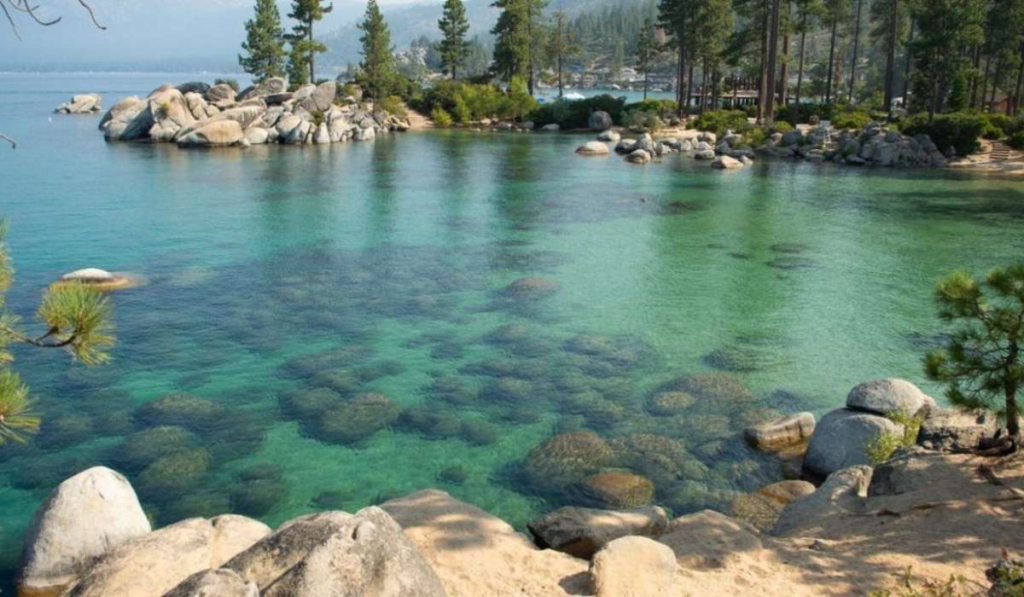
Capitalizing LAKE TEXOMA in documents and discussions signifies its stature as a recognized geographical entity and cultural heritage site. This not only honors the historical context of the lake but also emphasizes its role as a pivotal point for community activities, tourism, and regional identity. Moreover, public awareness regarding the significance of naming conventions helps to foster respect for the natural features that shape our environments. Lake Texoma Should Be Capitalized As LAKE TEXOMA continues to draw visitors and serve the locals, its significance grows, making it essential to acknowledge its place in both historical and contemporary settings.
Recreational Opportunities at Lake Texoma
LAKE TEXOMA serves as a premier destination for various recreational activities, attracting visitors year-round. Located on the Texas-Oklahoma border, this expansive reservoir offers an abundance of outdoor opportunities that cater to diverse interests. One of the most popular activities at LAKE TEXOMA is boating, thanks to its vast surface area and numerous marinas equipped with facilities to accommodate different types of watercraft. Lake Texoma Should Be Capitalized Boaters can enjoy a leisurely day on the water or engage in thrilling watersports, making it an ideal spot for both casual outings and adventurous escapades.
Fishing is another major draw for LAKE TEXOMA enthusiasts. Home to a rich population of fish species, including striped bass, catfish, and crappie, the lake attracts anglers from various regions. The excellent fishing conditions, coupled with well-maintained access points, enhance the overall experience for both recreational and competitive fishermen. Furthermore, anglers often benefit from guided fishing tours that provide expert knowledge of the best fishing spots.
Camping is yet another cherished activity for visitors to LAKE TEXOMA. The surrounding state parks and campgrounds offer scenic views and convenient access to the water. Campers can enjoy a range of amenities, including picnic areas, hiking trails, and wildlife observing opportunities. This combination of natural beauty and recreational amenities makes LAKE TEXOMA a favored site for family gatherings, weekend getaways, and nature retreats.
The economic impact of these recreational activities on the local community cannot be overlooked. The influx of visitors generates revenue through accommodations, dining, and various services, boosting the economy of nearby towns. Overall, the recreational opportunities at LAKE TEXOMA not only provide enjoyment for visitors but also play a vital role in sustaining local businesses and enhancing community well-being.
The Case for Capitalization: Linguistic and Cultural Perspectives
Capitalizing geographical names adheres to established grammatical rules that guide the proper representation of place names. In English, proper nouns, particularly those identifying unique locations, are typically capitalized to denote significance and specificity. This extends to a natural landmark such as LAKE TEXOMA, which serves not only as a geographical feature but also as a vital recreational haven. The lake, straddling the states of Texas and Oklahoma, embodies a unique identity that warrants the use of capital letters.

Furthermore, the appropriate capitalization of LAKE TEXOMA is a cultural necessity that fosters recognition and respect within the community. It acknowledges the lake’s heritage and the local pride associated with it. Names carry weight in their representation; therefore, referring to LAKE TEXOMA correctly affirms its status as a cherished resource amongst locals and visitors alike. The lake is a hub of activities such as boating, fishing, and various water sports, supporting not only local tourism but also the ecosystem surrounding it.
From a linguistic standpoint, capitalizing place names also protects against ambiguity. When discussing multiple lakes or geographical features, the precise identification is crucial. Referring to this particular water body as LAKE TEXOMA, rather than a generic term, provides clarity. It connects individuals to historical narratives about the lake’s formation and its impact on the regions it services.
Ultimately, it is clear that capitalizing LAKE TEXOMA reflects both grammatical accuracy and cultural appreciation. By recognizing and respecting the unique elements that comprise this location, society reinforces the importance of conveying proper names with dignity. In conclusion, adhering to capitalization conventions is essential for preserving respect for significant landmarks like LAKE TEXOMA, emphasizing its role in the landscape and the collective identity of its communities.
